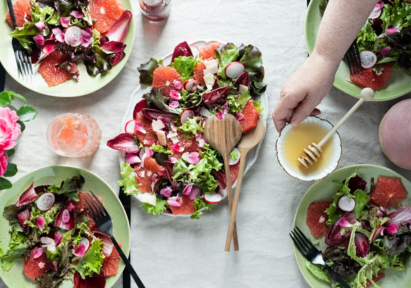
Master Volume Eating: How to Stay Full & Reach Weight Goals Effortlessly
One of the biggest hurdles many face on their weight loss journey isn't a lack of motivation, but a persistent feeling of hunger and deprivation. The idea of restricting calories often conjures images of tiny portions and constant cravings, making the path to health seem daunting and unsustainable. But what if you could eat generously, fill your plate to the brim, and still effortlessly achieve your weight goals? This isn't a fantasy; it's the power of volume eating, a strategy centered around embracing High Volume Low Calorie Foods. By understanding and incorporating these intelligent food choices, you can unlock a sustainable approach to weight management that prioritizes satisfaction, not sacrifice. It's about working smarter, not harder, with your diet, allowing you to curb cravings, boost your nutrient intake, and make adherence to a calorie deficit feel natural and fulfilling.What is Volume Eating and Why It's a Game-Changer for Weight Loss
At its heart, volume eating is a dietary approach that emphasizes consuming large quantities of food that are low in calorie density. This means selecting foods that offer substantial bulk and satiety for a relatively small number of calories. Think of it this way: a handful of nuts (calorie-dense) might have the same calories as a massive bowl of salad with lean protein (low calorie density). The latter will undoubtedly leave you feeling far more satisfied and full. The mechanism behind volume eating is simple yet profound: our bodies register fullness not just by calorie intake, but significantly by stomach distension. When you eat foods that take up more space in your stomach, you feel full faster and for longer, even if the caloric load is minimal. This powerful strategy offers numerous benefits for anyone aiming to manage their weight:- Lasting Satiety: You get to eat substantial meals, preventing the gnawing hunger that often derails traditional diets. This isn't about eating a few bites; it's about enjoying a truly satisfying portion.
- Reduced Calorie Counting Stress: While understanding calorie basics is useful, embracing High Volume Low Calorie Foods allows you to largely "eyeball" your portions with confidence. You know these foods are inherently low in calories, freeing you from meticulous tracking and bringing back the joy of eating. For more on simplifying your meal planning, explore Simplify Weight Loss: The Secret to Satisfying High-Volume Meals.
- Effortless Weight Loss: By consistently feeling full on fewer calories, you naturally create the calorie deficit necessary for weight loss. This approach transforms a challenging endeavor into an easier, more enjoyable process.
- Nutrient Density: Many high-volume, low-calorie options are packed with essential vitamins, minerals, and antioxidants, boosting your overall health beyond just weight management.
The Power Players: Understanding High Volume Low Calorie Foods
The secret to these magical foods lies in their composition. High Volume Low Calorie Foods typically share one or more of these characteristics:- High Water Content: Water adds significant weight and volume to food without adding calories. Foods like watermelon, cucumbers, and many leafy greens are primarily water.
- High Fiber Content: Fiber is a non-digestible carbohydrate that adds bulk to your diet, slows down digestion, and contributes to a feeling of fullness. It also aids in gut health. Many vegetables, fruits, and legumes are rich in fiber.
- Low Fat and Sugar Content: While healthy fats and natural sugars have their place, they are calorie-dense. High-volume foods are typically naturally low in these elements, allowing for larger portions.
Your Go-To List of High Volume Low Calorie Foods
Building your grocery list with volume eating in mind is exciting because it means stocking up on delicious, vibrant foods. Here's a breakdown of categories to focus on:Vegetables: The Ultimate Volume Boosters
These are the kings and queens of volume eating, largely due to their high water and fiber content.- Leafy Greens: Spinach, kale, lettuce (romaine, iceberg, mixed greens), arugula. You can eat mountains of these! Use them as a base for salads, sneak them into smoothies, wilt them into soups or stir-fries.
- Cruciferous Vegetables: Broccoli, cauliflower, cabbage, Brussels sprouts. Roast them, steam them, make cauliflower rice, or add them to curries and stews.
- Non-Starchy Vegetables: Cucumbers, bell peppers, zucchini, mushrooms, asparagus, green beans, celery, tomatoes. Excellent for snacking raw, adding to omelets, grilling, or spiralizing into "noodles."
- Root Vegetables (in moderation): While slightly more calorie-dense than leafy greens, carrots and radishes can still add great crunch and flavor.
Tip: Always start your meal with a large serving of vegetables. This ensures you fill up on nutrient-dense, low-calorie options before moving to other components.
Fruits: Nature's Sweet & Filling Treats
Many fruits are packed with water and fiber, making them excellent choices for curbing a sweet tooth without overdoing calories.- Berries: Strawberries, blueberries, raspberries, blackberries. High in fiber and antioxidants. Great in yogurt, oatmeal, or just on their own.
- Melons: Watermelon, cantaloupe, honeydew. Incredibly high in water content, making them very filling.
- Citrus Fruits: Oranges, grapefruits. Good fiber and Vitamin C, plus satisfyingly juicy.
- Apples & Pears: With their skin, these are fantastic sources of fiber and provide a satisfying crunch.
Tip: Opt for whole fruits over juice, as you get all the filling fiber that way.
Lean Proteins: The Satiety Superheroes
While not always "low calorie" in the same sense as vegetables, lean proteins are crucial because they are incredibly satiating and essential for muscle maintenance, especially during weight loss.- Chicken Breast & Turkey: Skinless and boneless, these are lean and versatile.
- Fish: Cod, tilapia, tuna (in water), salmon. Rich in protein and often healthy fats.
- Egg Whites: Pure protein with very few calories.
- Greek Yogurt: High in protein and can be a great base for fruit and a touch of sweetness.
- Tofu & Tempeh: Excellent plant-based protein sources.
Tip: Combine lean protein with a huge serving of vegetables to create a truly balanced and filling meal.
Legumes & Grains (Strategic Choices)
- Legumes: Lentils, chickpeas, black beans. Rich in both fiber and protein, they add significant bulk and satiety. Use them in soups, salads, or as a meat substitute.
- Air-Popped Popcorn: A surprising high-volume snack when prepared without excessive butter or oil. It's mostly air!
- Oatmeal: When cooked with water (not milk), oats swell significantly, providing a very filling breakfast due to their soluble fiber.
Broth-Based Soups: The Ultimate Warm-Up Filler
Soups made with clear broths and loaded with vegetables are an excellent way to fill up before a meal or as a meal in themselves. The liquid volume contributes greatly to satiety.Practical Strategies for Effortless Volume Eating
Mastering volume eating isn't just about knowing *what* to eat, but *how* to integrate it seamlessly into your daily life. Here are some actionable tips:- Start with Vegetables: Aim to fill half your plate (or more!) with non-starchy vegetables at every meal. This is your foundation.
- Smart Swaps:
- Swap regular pasta for zucchini noodles, spaghetti squash, or shirataki noodles.
- Replace rice with cauliflower rice.
- Use lettuce cups instead of bread for wraps.
- Add shredded vegetables (carrots, zucchini) to ground meat dishes to bulk them up.
- Hydrate Intelligently: Drink a large glass of water before each meal. Sometimes, thirst is mistaken for hunger. Water also helps the fiber in your food expand, enhancing fullness.
- Flavor Without Calories: Use herbs, spices, lemon juice, lime juice, vinegars, and low-calorie condiments to add flavor without adding significant calories. Be mindful of creamy dressings and sauces, which can quickly add hidden calories.
- Meal Prep for Success: Having chopped veggies, cooked lean protein, and pre-portioned fruits ready makes it easy to grab high-volume options when hunger strikes.
- Snack Smart: Opt for raw vegetables with a light dip, fruit, or a small bowl of air-popped popcorn instead of calorie-dense chips or cookies.
- Embrace Cooking Methods: Roasting, steaming, grilling, and baking are your best friends. These methods retain the natural volume and nutrients of food without adding excessive fats.
- Mindful Eating: Eat slowly, savor each bite, and pay attention to your body's hunger and fullness cues. It takes time for your brain to register satiety.
Remember, this is a journey of discovery, finding what High Volume Low Calorie Foods you love and how to prepare them in ways that excite your palate. For more detailed guidance on incorporating this strategy, check out Feel Full, Lose Weight: Your Guide to High-Volume Low-Calorie Eating.