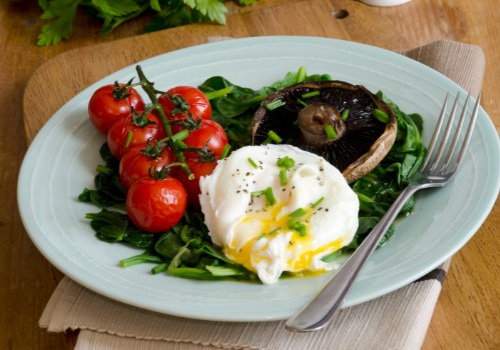
Feel Full, Lose Weight: Your Guide to High-Volume Low-Calorie Eating
The journey to sustainable weight loss often feels like a constant battle against hunger and deprivation. We all crave that feeling of satisfaction after a meal, but traditional dieting methods can leave us feeling empty and unsatisfied, making it incredibly difficult to stick to our goals. What if there was a way to eat generous portions, feel completely full, and still shed those unwanted pounds? Enter the powerful strategy of volume eating, centered around
High Volume Low Calorie Foods. This approach isn't about restriction; it's about smart choices that empower you to eat more and weigh less.
What is High-Volume Low-Calorie Eating (and Why Does It Work)?
At its core, weight loss boils down to a simple equation: consuming fewer calories than your body burns, known as creating a calorie deficit. While this principle is straightforward, its execution can be challenging. Many low-calorie foods are dense, meaning they pack a lot of calories into a small serving. Eating a small portion of a calorie-dense food might keep your calorie count low, but it often leaves your stomach feeling empty and your mind craving more, leading to frustrating hunger pangs and potential overeating later.
This is precisely where
High Volume Low Calorie Foods shine. These are foods characterized by their low calorie density, meaning they provide a large physical quantity for a relatively small number of calories. Think of a large bowl of salad versus a small handful of nuts; both might contain similar calories, but only one will fill your stomach and send satiety signals to your brain. This strategy, often referred to as "volume eating," allows you to literally fill up your plate and your stomach without exceeding your daily calorie target.
The magic behind these foods lies in their composition: they are typically rich in water and fiber. Water adds bulk and weight without contributing calories, while fiber is indigestible, taking up space in your digestive system and slowing down digestion, leading to prolonged feelings of fullness. By prioritizing these nutrient-dense, bulky options, you trick your body into feeling satisfied with fewer calories, making the calorie deficit needed for weight loss much easier and more enjoyable to achieve.
The Transformative Benefits of Volume Eating
Adopting a diet rich in
High Volume Low Calorie Foods offers a cascade of benefits that extend far beyond just weight loss. This isn't just a diet; it's a sustainable lifestyle shift that redefines your relationship with food.
- Unparalleled Fullness and Satisfaction: This is arguably the most significant advantage. Imagine eating large, satisfying meals and feeling truly stuffed, yet knowing you're still on track with your weight loss goals. Volume eating eliminates the psychological burden of hunger, allowing you to enjoy your food without constant cravings. This sustained fullness helps prevent mindless snacking and overeating between meals.
- Simplified Weight Loss: Counting every calorie can be tedious and demotivating. With volume eating, once you understand which foods fall into the high-volume, low-calorie category, much of the guesswork is removed. You can intuitively make choices that support your goals without the constant need for meticulous tracking. This approach makes weight loss feel less like a chore and more like a natural outcome of nourishing your body properly. To explore more about simplifying your dietary choices, read our article: Simplify Weight Loss: The Secret to Satisfying High-Volume Meals.
- Enhanced Nutrient Intake: Most High Volume Low Calorie Foods are whole, unprocessed, and packed with essential vitamins, minerals, and antioxidants. By prioritizing these foods, you're not just managing calories; you're significantly boosting your overall nutritional intake, contributing to better energy levels, improved digestion, and stronger immunity.
- Effective Craving Control: Often, cravings stem from a feeling of deprivation or an actual need for nutrients. By eating large, satisfying meals rich in fiber and water, you keep your stomach full and your blood sugar stable, effectively curbing those notorious cravings for unhealthy, calorie-dense snacks.
- Sustainable and Enjoyable: Unlike restrictive diets that are often abandoned, volume eating promotes a positive relationship with food. You learn to enjoy food for its taste and its ability to nourish and satisfy you, making it a strategy you can maintain for the long term. This enjoyment is key to truly Master Volume Eating: How to Stay Full & Reach Weight Goals Effortlessly.
Top High-Volume Low-Calorie Food Categories
To fully leverage the power of volume eating, it's essential to stock your pantry and fridge with the right ingredients. Here are some of the best categories of
High Volume Low Calorie Foods to integrate into your daily diet:
- Leafy Greens: Think spinach, kale, lettuce, arugula, Swiss chard, and collard greens. These are superstars of volume eating. They are incredibly low in calories, high in water content, and loaded with vitamins and minerals. You can literally eat mountains of them in salads, smoothies, stir-fries, or sautéed as a side dish.
- Cruciferous Vegetables: Broccoli, cauliflower, Brussels sprouts, and cabbage are fantastic choices. They are fiber-rich, providing significant bulk with minimal calories. Roast them, steam them, or chop them raw into salads for a satisfying crunch.
- Water-Rich Vegetables: Cucumbers, celery, bell peppers, zucchini, and mushrooms are prime examples. Their high water content makes them incredibly filling and refreshing. Snack on cucumber slices, add celery to soups, or spiralize zucchini into "zoodles" for a low-calorie pasta alternative.
- Berries: Strawberries, blueberries, raspberries, and blackberries are nature's candy. They are relatively low in sugar compared to other fruits, high in fiber and antioxidants, and can be enjoyed in generous portions. Add them to oatmeal, yogurt, or just eat them by the handful.
- Melons: Watermelon and cantaloupe are bursting with water, making them incredibly hydrating and satisfying. Enjoy them as a snack or a light dessert.
- Citrus Fruits: Oranges, grapefruits, and tangerines offer a good dose of fiber and vitamin C. Their segmented nature can also promote mindful eating.
- Broth-Based Soups: Starting a meal with a large bowl of vegetable-laden, broth-based soup is an excellent way to fill up before the main course, significantly reducing overall calorie intake for the meal. Just be wary of creamy or cheese-heavy soups.
- Lean Proteins: While not as "voluminous" in the same way as vegetables, lean proteins like chicken breast, turkey, white fish (cod, tilapia), egg whites, and Greek yogurt are crucial for satiety. Protein helps keep you full for longer by slowing digestion and signaling satiety hormones. Incorporating adequate lean protein into your meals alongside your high-volume veggies is key for comprehensive weight management.
- Legumes: Beans, lentils, and chickpeas are excellent sources of plant-based protein and fiber, making them very filling. Add them to salads, stews, or make homemade hummus.
- Air-Popped Popcorn: A surprising contender, air-popped popcorn (without excessive butter or oil) is a whole grain that offers a lot of volume for few calories, making it a great snack option.
Practical Tips for Incorporating Volume Eating into Your Diet
Making volume eating a consistent part of your routine is simpler than you might think. Here are some actionable tips to help you get started:
- Start with a Salad or Broth: Before your main meal, especially dinner, eat a large side salad packed with leafy greens and other non-starchy vegetables, or a bowl of clear, broth-based soup. This will pre-fill your stomach, ensuring you eat less of the more calorie-dense components of your meal.
- Bulk Up Your Meals: Integrate more vegetables into everything. Add extra spinach to your scrambled eggs, double the amount of broccoli in your stir-fry, or sneak grated zucchini into your pasta sauce. For every grain or protein serving, aim for at least two to three servings of vegetables.
- Smart Snacking: Replace calorie-dense snacks like chips or cookies with high-volume alternatives. Think carrot sticks with hummus, apple slices, a bowl of berries, or air-popped popcorn.
- Stay Hydrated: Water itself is the ultimate zero-calorie volume filler. Drink a large glass of water before meals, and keep a water bottle handy throughout the day. Herbal teas are also excellent.
- Prioritize Fiber: Focus on foods naturally high in fiber, such as whole fruits, vegetables, and legumes. Fiber significantly contributes to satiety and digestive health.
- Meal Prep Strategically: Wash and chop a large batch of vegetables at the beginning of the week. This makes it easy to grab and add them to any meal, reducing the barrier to choosing healthy, high-volume options.
- Experiment with "Veggie Swaps": Instead of rice, try cauliflower rice. Swap pasta for zucchini noodles. Use lettuce wraps instead of bread. These simple changes can drastically reduce calorie density without sacrificing satisfaction.
Embracing
High Volume Low Calorie Foods is a powerful and enjoyable path to achieving your weight loss and health goals. By focusing on nourishing, satisfying foods that fill you up without weighing you down, you can finally bid farewell to constant hunger and deprivation. Start integrating these foods into your diet today, and experience the freedom of eating generously while effortlessly moving towards a healthier, happier you.